A Torque Curve for Every Purpose
Miscellaneous
By Kevin Cameron
For commercial engines, a manufacturer carefully designs and builds a product that delivers the torque curve needed for the defined application. In racing, the “thousand monkeys†effect quickly finds what works best.
The Needs of the Application Determine the Shape
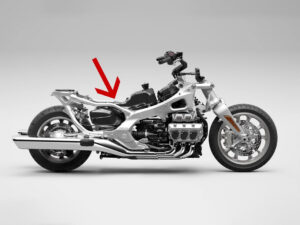
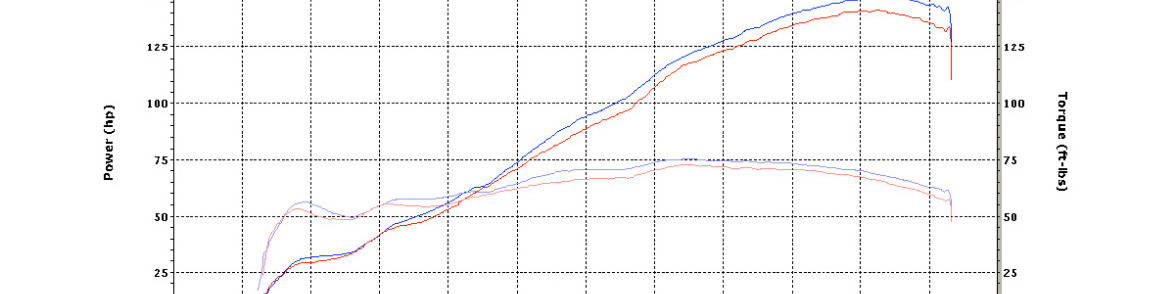
The high-torque diesel engines found in large trucks are mirrored in motorcycling by the large displacement and low-end torque of touring-bike engines. In both cases there must be real muscle to get a heavy vehicle moving without drama or wasteful clutch slip. Because touring also requires passing and on-ramp performance to move with traffic, touring torque curves are biased to the low- and midrange, sloping downward above 3,000–3,500 revs. Why?

Again, just as with heavy trucks, top speed is determined in relation to traffic. Nobody tours at 100 mph, just as no trucking firm wants or needs performance much beyond the speed of traffic.
The Sportbike Era
The rocket ships of the sportbike era (1986-2007) were sold by races won, especially Daytona. They needed plenty of top-end power; if your company’s “stock†600s couldn’t manage 160 mph on the Daytona banking, don’t even bother making that trip to Florida. That required pushing their peak torque up close to peak power (meaning within 1,500 revs). This made their torque curves look like those of the touring bikes, but flipped right for left. Sportbikes had it all on top but were so-so in the midrange and downright weak on the bottom. Tour jobs had it all on the bottom and mid, their torque sloping right off above that.
How did those sportbikes get going from a standing start? They had enough torque down low to be decorously rideable in the presence of policemen, but if you needed a fast start there was no alternative to revving the engine high into its torque range and slipping the clutch. Over time (and the burnout craze) those clutches became large and capable. During a maximum-effort clutch-slipping start, the clutch acts as a power divider, sending down the chain what the rear wheel can accept and dumping the rest into clutch slip, where it becomes heat. The bigger and heavier the clutch, the lower the peak temperature reached by the clutch discs off the start line.
In roadracing, getting two standing starts from a new set of clutch plates is outstanding, and service after one such start has been the norm.
Adventure Bikes
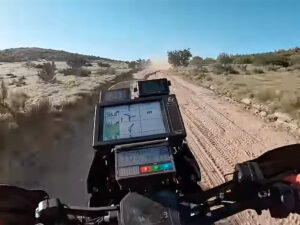
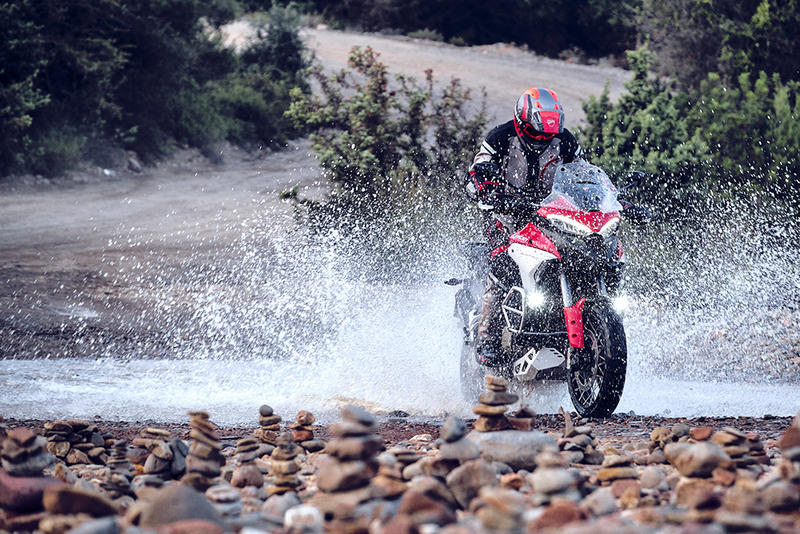
A more difficult problem is the heavy ADV bike, which needs good bottom torque, for getting moving or slogging through loose stuff, and high torque everywhere else to keep things moving, such as on the highway or evading third-world bandits on the way to Patagonia. This one needs a “tabletop†torque curve, and fortunately it can be had from the combination of four valves per cylinder and high valve lift over fairly short duration.
More Torque-Curve Lessons From Racing
It’s interesting to compare 125s and 500s in motorcycle Grand Prix roadracing in the early FIM years, 1949 onward. If we multiply times four the power of a given year’s 125 singles from, say, Mondial and MV, we get a substantially bigger number than the MV and Gilera fours were making in that year. No surprise— that just means that 125s were tuned more sharply than 500s.
Browse our inventory of new and pre-owned bikes and click Get a Deal!